Getting a user to stop scrolling on Pinterest requires more than just a pretty picture. The text on your graphic sets the immediate tone. When you use typography to evoke luxury aesthetics in social media pins, you signal high quality, exclusivity, and attention to detail before the reader even processes the words. High-end brands rely on specific letterforms to justify premium pricing, and independent creators can use these exact same visual cues to elevate their content and attract a higher-end audience.
What makes a typeface look expensive?
Luxury design relies heavily on restraint and precision. Expensive-looking fonts usually feature high contrast between thick and thin strokes, generous spacing, and clean lines. Think of the mastheads on high-fashion magazines. They use high-contrast serifs that feel editorial and refined. On the other hand, ultra-clean geometric sans-serifs with wide letter spacing can also feel premium, mimicking the branding of modern luxury fashion houses. The key is avoiding overly decorative or novelty fonts that look cheap and mass-produced.
Which specific fonts create a high-end vibe?
Choosing the right typeface is your first step. High-contrast serifs are a staple for editorial luxury. A font like Playfair Display gives your pins an immediate magazine-cover feel, making it perfect for fashion, beauty, or lifestyle content. If you want something that feels more architectural and timeless, Cinzel offers sharp, classical proportions that work beautifully for high-end real estate or premium jewelry boards. For a truly classic editorial look, many designers also reference the sharp, elegant lines of Didot when building out their brand assets.
How should you pair elegant fonts for Pinterest graphics?
Pairing is where most designs fall apart. A common rule for premium aesthetics is to stick to two typefaces maximum. If your headline uses an ornate serif, your body text needs a highly legible, neutral sans-serif. When you are building out clean layouts that balance decorative headers with simple body copy, the contrast does the heavy lifting. You can also lean into delicate scripts for small accents, much like how designers select refined lettering for upscale event mood boards, as long as the script remains legible and is not overused.
What common mistakes ruin a premium pin design?
The fastest way to make a luxury pin look cheap is through poor spacing and visual clutter. Avoid these frequent missteps:
- Tight tracking: Luxury brands use wide tracking (letter spacing) on uppercase sans-serif words. Squishing letters together makes the text look cramped and discount.
- Too many font styles: Using a script, a serif, and a sans-serif all in one graphic creates visual noise. Stick to one or two families.
- Overly distressed textures: While grunge works for some niches, high-end aesthetics require crisp, clean vectors. Avoid gritty overlays on your text.
- Poor contrast: White text on a pale beige background might look soft, but if it strains the eyes, it fails. Ensure your elegant lettering is actually readable on mobile screens.
Sometimes creators try to force a dark or ornate vibe by using heavy blackletter, but unless you are specifically looking at moody seasonal designs for autumn, heavy gothic fonts will clash with a modern luxury aesthetic and make the pin difficult to read.
How do you format text layout for maximum impact?
Alignment and hierarchy matter just as much as the font itself. Center alignment is a classic choice for high-end editorial pins, giving the graphic a formal, balanced feel. Alternatively, left-aligned text with generous margins mimics modern luxury packaging. Keep your copy brief. Premium brands rarely shout; they whisper. Use a short, punchy headline and let the negative space around the text breathe. Cluttering the canvas with too many words instantly lowers the perceived value of the pin.
Your next steps for designing luxury pins
Ready to upgrade your Pinterest graphics? Follow this quick checklist before you publish your next pin to ensure it meets a premium standard:
- Select one primary high-contrast serif or clean geometric sans-serif for your main headline.
- Increase the letter spacing on any fully capitalized words by at least 50 to 100 units in your design software.
- Limit your design to two fonts and a maximum of three text sizes.
- Check your color contrast to ensure the text is easily readable on a phone screen without squinting.
- Leave at least 30% of your pin canvas as empty negative space to let the typography stand out.
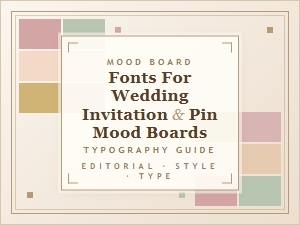 Curating Wedding Mood Board Fonts for Pinterest
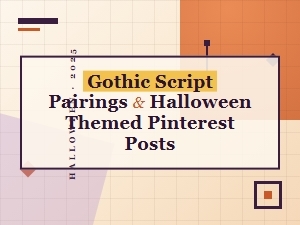 Hauntingly Elegant Gothic Fonts for Halloween
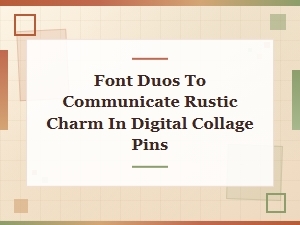 Font Duos for Rustic Charm in Digital Collage
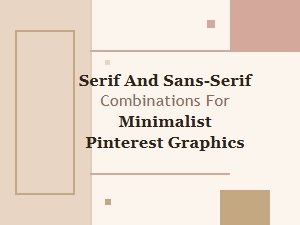 The Art of Minimalist Font Pairings
 Aligning Fonts with Your Brand Persona
 Choosing Fonts for Your Eco-Friendly Brand Style